
Understanding how modern systems protect your information can feel confusing, especially when unusual terms or random-looking codes show up. One such example is jiflbdnvw4p Explained, a concept that helps simplify how sensitive data is stored and accessed. This blog breaks everything down in a friendly and easy way so you understand what this identifier means, why it matters, and how it protects your personal details.
What Is jiflbdnvw4p Explained and Why It Matters Today
The term jiflbdnvw4p Explained refers to understanding how a unique identifier acts as a stand-in for sensitive information. Instead of repeating personal details everywhere in a system, a neutral code like jiflbdnvw4p replaces them and connects to a secure location where the real data is kept. This creates a safer, cleaner, and more efficient way to manage information without exposing private details unnecessarily.
Many digital systems today depend on identifiers like this because they reduce risk and simplify data handling. When databases grow larger, listing someone’s name, email, or account number in every table becomes chaotic and unsafe. By replacing these details with a single coded string, the system stays organized and private while still letting authorized tools retrieve what they need.
This type of identifier is also extremely useful when working with huge platforms that store millions of records. Each code is unique, so it prevents confusion or accidental mix-ups between users or items. Systems like banking apps, e-commerce websites, healthcare portals, and CRM tools all rely on these codes because they boost accuracy, security, and speed at the same time.
Also Read


How Unique Identifiers Like jiflbdnvw4p Work Inside Digital Systems
Identifiers such as jiflbdnvw4p may look simple on the surface, but they play a powerful role behind the scenes. The code works like a pointer that directs the system to a secure location where sensitive information is stored. This approach ensures that private data stays protected and only the identifier travels through different parts of the system.
The identifier itself usually does not reveal anything personal about the user or object it represents. Since it appears as a random string of characters, it prevents someone from guessing its purpose or value. This offers a strong layer of safety even before encryption, user permissions, or access rules are added on top of it.
Most modern systems store these identifiers in multiple database tables to connect related information. For example, an e-commerce system might store a user’s identifier in the orders table, payment table, login table, and wishlist table without ever repeating sensitive information directly. This keeps everything connected but secure at the same time.
Why Systems Prefer Coded Identifiers
Systems choose identifiers like jiflbdnvw4p for several reasons. First, they help reduce data duplication, which means sensitive information does not get stored in multiple locations. Second, they keep records organized even when millions of entries exist in the database. Finally, they make it easier to apply security permissions because the system only needs to protect one source of truth.
A Simple Illustration of How the Code Works
Below is a small table showing how a unique identifier connects to secure data:
| Identifier | Stored In Table | Linked Data Stored Securely |
|---|---|---|
| jiflbdnvw4p | Orders | User details, payment info |
| jiflbdnvw4p | Login History | IP address, device info |
| jiflbdnvw4p | User Profile | Full name, email, address |
This structure keeps the system clean while reducing exposure of private information.
Data Protection Benefits of jiflbdnvw4p
Unique identifiers like jiflbdnvw4p offer powerful security benefits because they limit the use of sensitive details across the system. Instead of displaying personal data everywhere, the system hides it behind a coded reference. This reduces the attack surface for hackers and lowers the chance of leaks or unauthorized access.
When the real data is stored in one protected location, it becomes much easier to secure and monitor. A system can apply encryption, multi-layer authentication, or access logs to a single location instead of dozens of them. This also simplifies auditing because it is clear where sensitive information is stored and how it is being accessed.
Another advantage is the ability to anonymize information for analytics or research. Companies often need to analyze user behavior, but they do not always need names or personal details. By using identifiers instead, they can use the data without exposing identities. This supports privacy laws like GDPR, HIPAA, and other global standards.
Security Insights
Below is a simple chart showing how identifiers reduce overall data exposure:
Data Exposure Level
High: Personal details in all tables
Medium: Partial masking
Low: Identifier-based linking (like jiflbdnvw4p)
This demonstrates how identifiers help lower risks by keeping sensitive data in fewer places.
Where jiflbdnvw4p-Type Identifiers Are Commonly Used
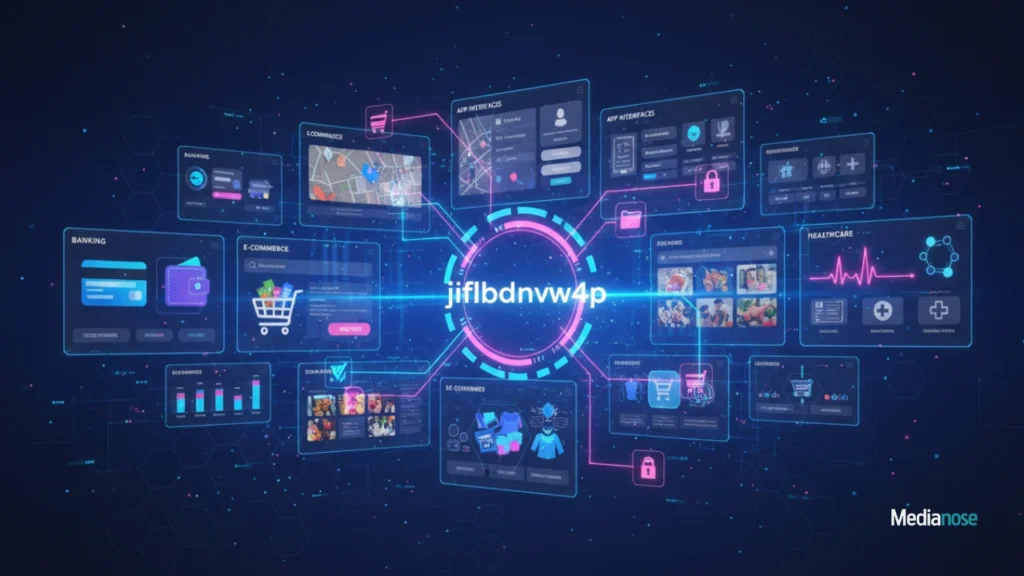
Systems across many industries rely on coded identifiers for smooth operation. Banking platforms use them to reference account holders without showing actual account numbers everywhere. E-commerce websites use them to link orders, payments, and addresses behind a safe layer of coding.
Healthcare systems benefit greatly from using unique identifiers, especially when dealing with medical records, lab reports, or patient histories. These identifiers allow hospitals to maintain precision while protecting highly sensitive data. They also support easier sharing between departments or clinics while keeping personal information secure.
Tech companies use identifiers to manage millions of users and their actions. Every login session, device entry, and profile update can be linked through a coded string like jiflbdnvw4p. This helps keep everything clean, trackable, and secure across a massive system.
Examples of Real-World Uses
- Identifying users in a CRM database
- Linking transaction records in finance systems
- Connecting orders and payments on shopping platforms
- Managing medical histories in healthcare apps
- Handling session data in mobile apps
Such identifiers are the backbone of many digital processes we rely on every day.
Future Importance of Identifiers Like jiflbdnvw4p
As digital systems become larger, the need for safe and efficient identifiers grows even more. With billions of users and devices online, systems must stay organized and secure without slowing down. Coded identifiers offer a simple yet powerful solution that supports both scale and privacy.
Companies are increasingly focusing on privacy-first design, and unique identifiers are a key part of that shift. They help reduce how much sensitive data flows through a system, making breaches less damaging. They also help businesses meet growing legal and user expectations about data protection.
New technologies like AI, blockchain, and zero-trust security will likely rely even more on unique identifiers. These technologies need reliable ways to track information across different systems while keeping identities private.
Conclusion
Understanding jiflbdnvw4p Explained helps you see how a simple code can protect sensitive information while keeping systems organized and efficient. By replacing personal details with a neutral identifier, digital platforms improve security and reduce unnecessary exposure of private data. As technology grows more complex, unique identifiers like this will continue to play an essential role in ensuring privacy, accuracy, and trust across the digital world.
FAQs
1. What does jiflbdnvw4p Explained mean?
It refers to understanding how the identifier jiflbdnvw4p works as a secure reference code inside digital systems. It replaces sensitive data with a neutral string to improve safety and efficiency.
2. Why do systems use identifiers like jiflbdnvw4p?
They use them to avoid storing personal details in multiple places, reduce data exposure, and keep the system organized.
3. Is jiflbdnvw4p linked to personal information?
Yes, but only through a secure database connection. The identifier itself reveals nothing about the person or object it represents.
4. Are identifiers safer than storing personal details directly?
Yes, they significantly reduce the chance of leaks or unauthorized access because sensitive data stays in fewer protected locations.