
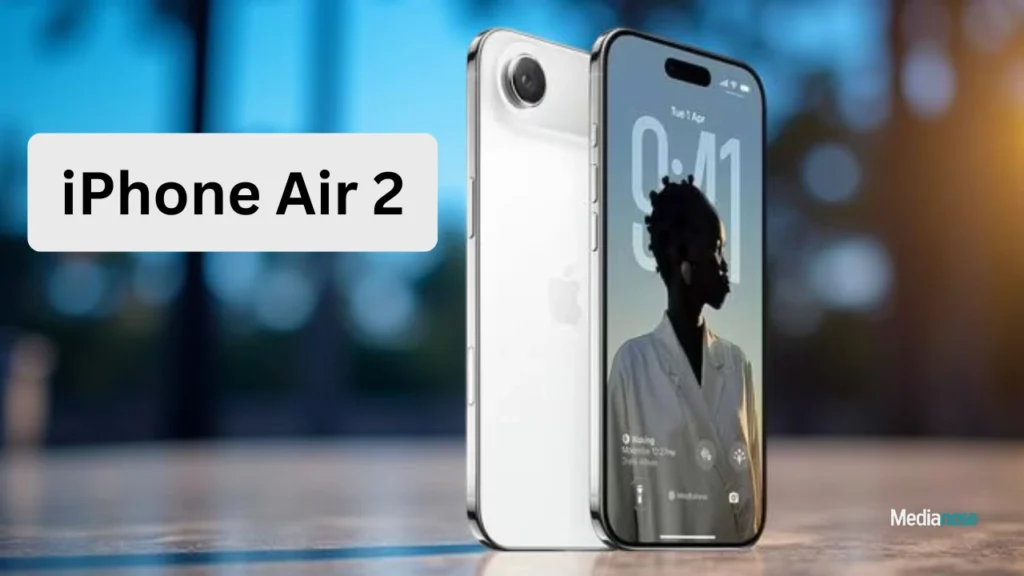
Apple’s ultra-thin smartphone experiment is evolving with the upcoming iPhone Air 2. While the first-generation iPhone Air stood out for its sleek design, its real-world reception highlighted gaps that Apple can no longer ignore. Reports now indicate that Apple is actively reworking the Air lineup to better align with consumer expectations.
The iPhone Air 2 is not just a minor refresh. It represents a strategic rethink focused on usability, pricing, and feature balance while retaining the slim identity that defines the Air brand.
iPhone Air 2 Redesign Brings Dual Rear Camera Upgrade
One of the most talked-about changes in the iPhone Air 2 is the move to a dual rear camera setup. The original model relied on a single sensor, which limited its photography flexibility when compared to other premium iPhones.
The redesigned camera system is expected to include:
Also Read


- A 48-megapixel primary camera for high-detail images
- A 12-megapixel secondary sensor for versatility
- Improved depth sensing for portrait photography
- Better video framing and stabilization
This upgrade allows the iPhone Air 2 to compete more effectively in mobile photography while maintaining a slim profile.
Launch Timeline Delayed to 2027
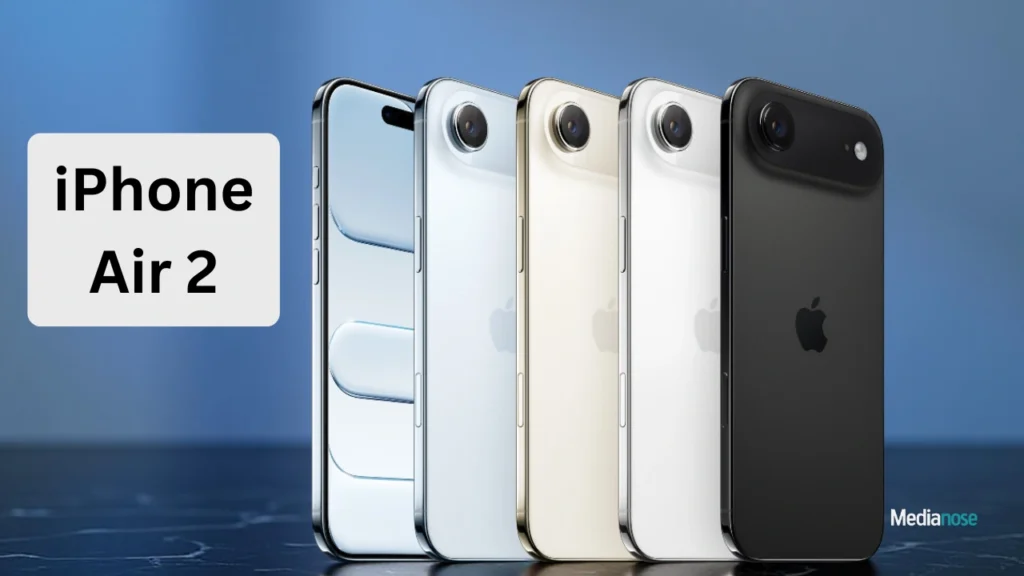
Apple originally planned to introduce the iPhone Air 2 in late 2026. However, internal production changes have altered that timeline. Trial manufacturing for the device was reportedly halted, leading to a revised launch schedule.
Key timeline updates include:
- Trial production canceled during early development
- Original fall 2026 launch scrapped
- New target launch window set for early 2027
- Internal codename for the device is V62
The delay suggests Apple is prioritizing refinement over speed, especially after the mixed response to the first-generation model.
Pricing Strategy Could Broaden Appeal
Pricing was a major concern for buyers considering the original iPhone Air. Despite its premium design, many consumers felt the feature set did not justify the high cost.
For the iPhone Air 2, Apple is reportedly exploring a more competitive pricing approach that could make the device more accessible. Expected pricing changes may include:
- Lower starting price compared to the first generation
- Better feature-to-price balance
- Clearer positioning between standard and Pro models
A revised price strategy could significantly improve demand for the iPhone Air 2 in global markets.
Expected to Deliver Flagship-Level Performance

Despite its slim design, the iPhone Air 2 is expected to maintain strong performance credentials. Apple is likely to equip it with its latest high-end chipset, ensuring smooth daily use and long-term software support.
Performance expectations for the iPhone Air 2 include:
- Next-generation Apple silicon for improved efficiency
- Faster app loading and multitasking
- Optimized thermal management for thin hardware
- Seamless integration with future iOS updates
Apple’s tight hardware-software integration should help offset the challenges of fitting powerful components into a thin chassis.
Redesign Driven by Weak Sales of First Model
Sales figures indicate that the original iPhone Air lagged behind other models in the same lineup. While praised for its aesthetics, it struggled to attract mainstream buyers.
Limitations of the first-generation iPhone Air included:
- Single rear camera only
- Smaller battery capacity
- Premium pricing without Pro-level features
- Appeal limited mainly to design-focused users
These shortcomings appear to have directly influenced the design philosophy of the iPhone Air 2.
iPhone Air 2 Position in Apple’s Expanding Lineup
Apple is reportedly planning multiple iPhone launches between 2026 and 2027, including Pro models and a foldable device. Within this broader strategy, the iPhone Air 2 could serve a distinct role.
The Air lineup may target users who want:
- A lighter and thinner iPhone
- Premium build quality
- Strong performance without Pro pricing
- A balance between design and functionality
If positioned correctly, the iPhone Air 2 could become a stable mid-premium option rather than a niche experiment.
Final Verdict
The iPhone Air 2 reflects Apple’s willingness to adapt after listening to market feedback. With a dual-camera setup, improved value proposition, and a more thoughtful launch timeline, Apple appears committed to making the Air lineup more relevant. While the delay to 2027 may slow momentum, the refinements suggest a more practical and appealing device. If Apple executes its strategy well, the iPhone Air 2 could redefine what a slim flagship smartphone should offer.