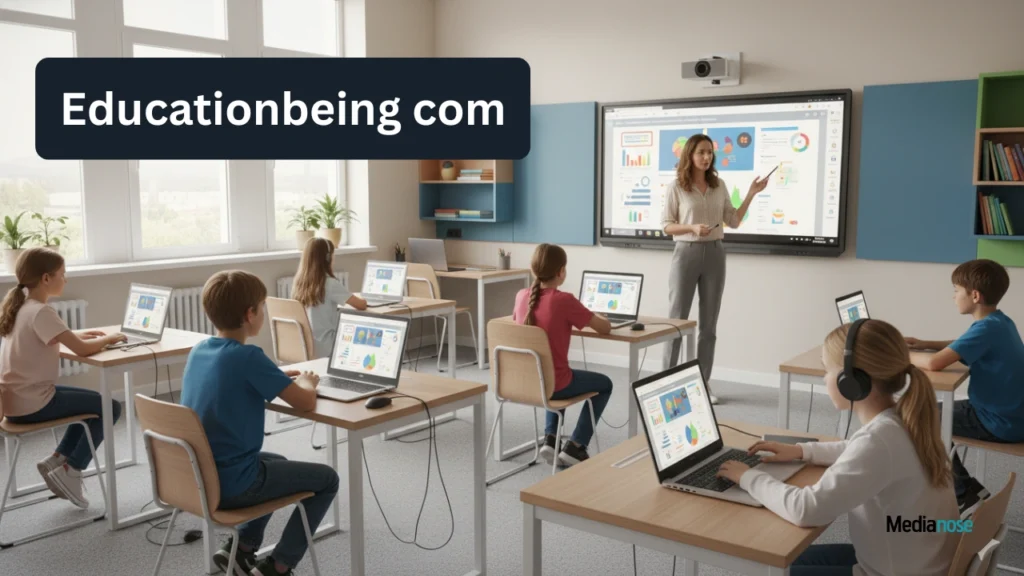
Educationbeing com is a platform that brings you the most valuable insights into modern learning methods that bridge traditional classrooms with online innovation. Blended and hybrid education are reshaping how students learn, teachers teach, and institutions deliver knowledge. Whether you’re a student exploring new ways to study or an educator adapting to evolving systems, this guide will help you understand how blended and hybrid learning can transform your educational experience.
What Is Blended and Hybrid Education?
Blended and hybrid education combine the best of both worlds — physical classroom experiences and digital learning tools. The core idea is to create a flexible system where students can learn online while still benefiting from face-to-face interactions. Unlike fully online courses, blended models maintain the human touch, ensuring personal engagement with teachers and peers.
Educationbeing com highlights how this approach encourages deeper learning, boosts participation, and allows students to access materials at their own pace. Hybrid models vary depending on the subject and institution, but they all share a common goal: to make education more accessible and personalized.
For example:
Also Read

- A student might attend lectures in person but submit assignments online.
- Teachers can use digital assessments to track progress more effectively.
- Institutions can reduce classroom crowding while maintaining quality instruction.
Blended learning gives freedom to learn anytime, anywhere, without losing structure. Hybrid setups also prepare students for real-world challenges where technology and teamwork are equally essential.
The Evolution of Blended Learning
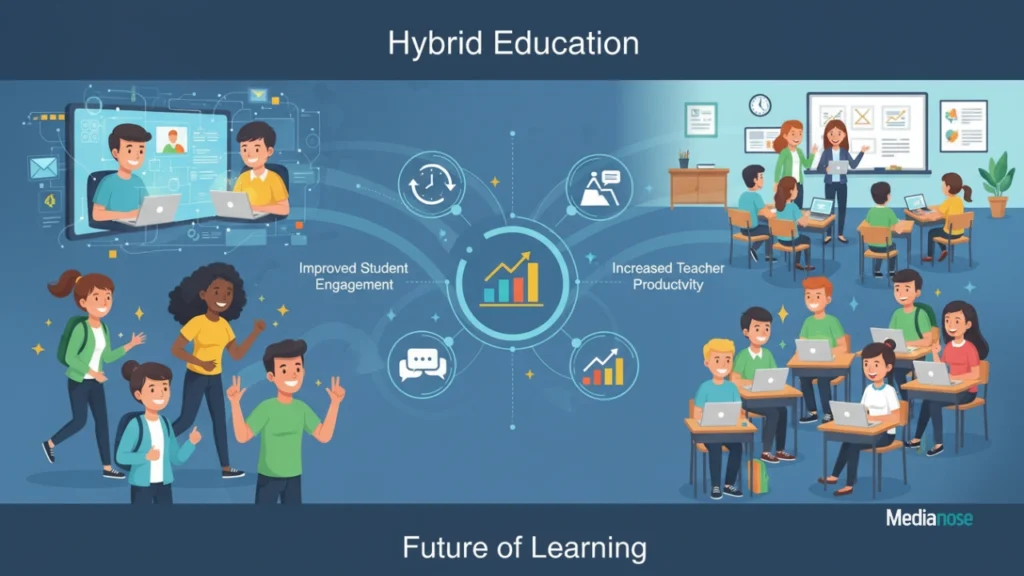
Blended learning didn’t appear overnight. It evolved as technology began playing a more central role in classrooms. From simple PowerPoint lessons to full-fledged online platforms, educators started integrating tech to enhance understanding. Educationbeing com notes that after the pandemic, the shift toward hybrid systems became even more permanent.
Previously, online learning was considered supplementary, but now it’s a core part of education. Modern platforms like Google Classroom, Zoom, and Learning Management Systems (LMS) have made it easier to blend offline and online experiences.
Key Phases in Blended Education Evolution
| Year | Development | Impact |
|---|---|---|
| 2000–2010 | Rise of e-learning platforms | Schools began using online tools for homework and tests |
| 2010–2020 | Introduction of LMS and mobile learning | Students gained more flexibility |
| 2020–2025 | Full hybrid transformation | Most institutions adopted digital and physical integration |
The trend is clear — blended education is no longer optional but essential for modern learning.
Benefits of Blended and Hybrid Education
Educationbeing com emphasizes that blended and hybrid learning have countless advantages for students, teachers, and institutions alike. These models create a balance between flexibility and discipline, allowing for a more personalized experience.
For Students
Students benefit from accessibility and control over their learning environment. They can replay lessons, revisit topics, and engage at their own pace.
- Flexibility: Study from anywhere with internet access.
- Self-paced learning: Go through lessons multiple times for better understanding.
- Interactive content: Videos, quizzes, and discussions keep learners engaged.
For Teachers
Educators gain the tools to measure performance more effectively. Digital resources enable them to design interactive and personalized lessons.
- Data-driven insights: Monitor student progress in real time.
- Creative content delivery: Combine multimedia and live teaching.
- Time efficiency: Focus on teaching instead of repetitive administrative work.
For Institutions
Blended education helps schools and colleges reach more learners while maintaining teaching standards.
- Scalability: Serve larger student populations efficiently.
- Cost-effectiveness: Reduce classroom expenses and physical infrastructure.
- Sustainability: Minimize paper usage and travel costs.
Challenges of Implementing Blended Learning
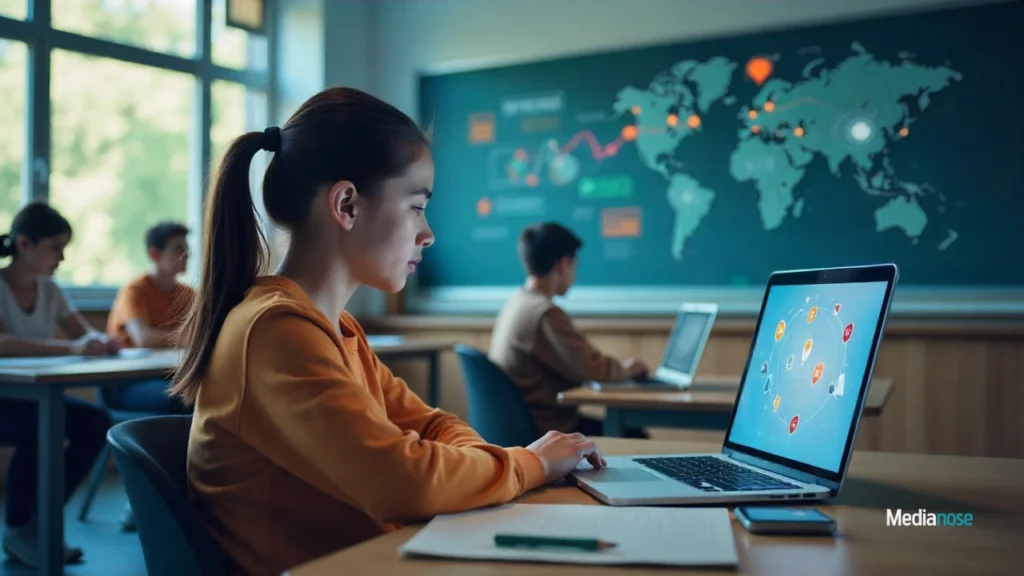
Even though blended and hybrid learning models are effective, they do come with challenges. Educationbeing com points out that technology access, teacher training, and student motivation play major roles in success.
Common Challenges
- Digital divide: Not every student has access to reliable internet or devices.
- Adaptation issues: Teachers may need time to adjust to new teaching styles.
- Student engagement: Maintaining focus during online lessons can be tough.
Overcoming These Challenges
To make blended learning successful, both educators and learners must adapt proactively. Institutions can invest in training programs and provide technical support. Teachers can include interactive tools such as discussion boards and virtual classrooms. Students can create dedicated study schedules to stay consistent.
The Future of Blended and Hybrid Education
Educationbeing com predicts that blended and hybrid models will dominate future education systems. With continuous advancements in artificial intelligence, virtual reality, and personalized learning platforms, education will become even more engaging and adaptive.
AI-powered tutors, for example, will guide students through personalized learning journeys. Virtual classrooms will simulate real-life labs and experiences. Meanwhile, data analytics will help educators design better courses based on student performance.
Key Future Trends
| Trend | Description |
|---|---|
| AI Integration | Adaptive learning systems customized for each student |
| Virtual Classrooms | Immersive experiences through VR and AR tools |
| Data Analytics | Real-time feedback on progress and engagement |
| Microlearning | Short, focused lessons for better retention |
Hybrid education is not just a passing trend; it’s the foundation for future learning. The focus will shift from teaching to learning — from one-size-fits-all to personalized experiences.
Tips for Students to Thrive in Hybrid Learning
To succeed in blended learning, students need discipline, curiosity, and organization. Here are a few tips from Educationbeing com:
- Create a routine: Balance your offline and online study hours.
- Stay engaged: Participate actively in both virtual and classroom discussions.
- Use digital tools: Take advantage of note-taking apps, forums, and online resources.
- Seek feedback: Regularly communicate with instructors about progress.
- Avoid procrastination: Stay consistent and manage your time wisely.
Following these strategies helps students enjoy the flexibility of hybrid learning while maintaining productivity.
Why Educationbeing com Supports Blended Learning
Educationbeing com strongly advocates for blended and hybrid models because they make learning inclusive, flexible, and future-ready. The platform believes education should not be limited by physical or geographical barriers. Hybrid learning connects students globally, promotes collaboration, and prepares learners for modern workplaces.
By adopting these methods, both students and educators can enjoy an efficient, engaging, and technology-driven experience. The blend of digital resources and personal interaction creates a learning culture that truly empowers every individual.
FAQs
1. What is the difference between blended and hybrid learning?
Blended learning mixes online and offline lessons, while hybrid education gives students the flexibility to choose between attending in person or virtually.
2. How does blended learning benefit teachers?
It helps teachers monitor progress, personalize lessons, and save time with digital grading tools.
3. Can hybrid education replace traditional classrooms?
Not entirely. It complements them by adding flexibility and digital resources without removing personal interaction.
4. How can students stay motivated in hybrid classes?
Set clear goals, participate regularly, and use digital tools to stay organized and connected.
5. Why does Educationbeing com promote blended learning?
Because it supports innovation, flexibility, and inclusivity — key pillars of modern education that empower both teachers and learners.
Conclusion
Blended and hybrid education represent the future of learning — one that adapts to the needs of modern students and educators alike. Educationbeing com believes this model bridges the gap between traditional classrooms and digital innovation, giving learners the best of both worlds. By combining flexibility, accessibility, and human connection, blended learning empowers students to take charge of their education while helping teachers reach new levels of creativity and effectiveness. As technology continues to evolve, embracing this hybrid approach will ensure that education remains inclusive, engaging, and truly transformative for everyone involved.