The digital health world is expanding quickly, and platforms like iofbodies .com help people understand how technology connects with the human body in meaningful ways. Readers today need simple explanations about how movement, identity, and digital tools work together to improve health and daily life. This blog explores those ideas in a friendly, easy-to-follow way so you can see how this platform might shape the future.
How iofbodies .com Connects Healthcare, Technology, and Human Behavior
Healthcare is moving far beyond hospitals because digital systems now allow us to track and understand the human body more deeply. iofbodies .com explores how physiology, movement patterns, and identity interact with technology to create new forms of understanding. This combination builds a bridge between traditional medical knowledge and modern tools that support better health decisions.
Today, professionals depend on digital tools to gather real information about how people move and function. These tools can measure posture, balance, breathing patterns, and stress levels. When these measurements are combined, they help doctors or trainers guide people more accurately.
People also benefit because they get clearer insights about their daily health habits. Instead of guessing, users can rely on the data collected by interactive tools. This helps them learn how their body reacts to exercise, sleep, stress, or lifestyle changes.
Also Read


Platforms like iofbodies .com also highlight ethical and responsible technology use, which is crucial when dealing with body-related data. Users want to know how their information is being stored and shared. Clear explanations help build trust and encourage people to learn more about their own bodies.
To understand how these tools help different fields, here is a simple table:
| Field | How Digital Tools Help |
|---|---|
| Healthcare | Tracks body signals for better diagnosis |
| Fitness | Measures movement to enhance performance |
| Research | Supports accurate data collection |
| Education | Uses interactive tools to teach physiology |
These fields benefit in different ways, but they all point toward the same idea: the combination of body data and technology leads to better understanding and better choices.
The Role of Human Physiology in Digital Tools
Human physiology includes heartbeat, breathing, muscle activity, and overall energy levels. Digital systems that study these patterns give us a deeper look into how our body behaves throughout the day. These insights help people predict health issues, understand emotions, or adjust habits that influence well-being.
Some key ways physiology becomes digital insights include:
- Measuring heart rate to track stress or fitness levels
- Monitoring muscle activity to detect weaker or overused areas
- Recording breathing patterns to improve relaxation and sleep
- Observing movement stability to prevent injuries
These simple measurements become powerful when combined through smart digital tools.
How Movement Becomes Data
Human movement is naturally complex, but technology makes it easier to understand. Sensors track small details like how fast you walk, how balanced you are, or how your muscles react to daily tasks. When this information becomes clear data, people can learn what their body needs to perform better or stay healthy.
Why Ethics Matter When Technology Studies the Human Body
Whenever technology interacts with human identity or physiology, ethics become extremely important. People want to know who controls their data, how it is used, and whether it is protected. Ethical guidelines ensure that tools remain safe, honest, and respectful.
Data from the human body is sensitive because it reveals personal details. Platforms must protect it from misuse through secure storage and strict policies. When a platform is transparent about these rules, users feel more confident exploring digital health tools.
Here are key ethical priorities platforms should follow:
- Protecting sensitive body-related data
- Allowing users to control what information is shared
- Being transparent about how insights are generated
- Avoiding misuse or selling of identity-based information
- Ensuring tools do not misrepresent or overanalyze user behavior
These points help create fair and trustworthy technology systems.
Balancing Innovation With Responsibility
New tools can offer exciting ways to understand the body, but responsibility must guide every step. Innovation should improve people’s lives rather than complicate or control them. When ethical rules shape development, users benefit from safer technology and more meaningful insights.
Understanding Digital Identity
Digital identity is shaped by how people move, react, and interact with tools. Small patterns in behavior can create a unique digital fingerprint. When used correctly, this fingerprint helps platforms create personalized recommendations or learning experiences.
Practical Applications of iofbodies .com in Daily Life
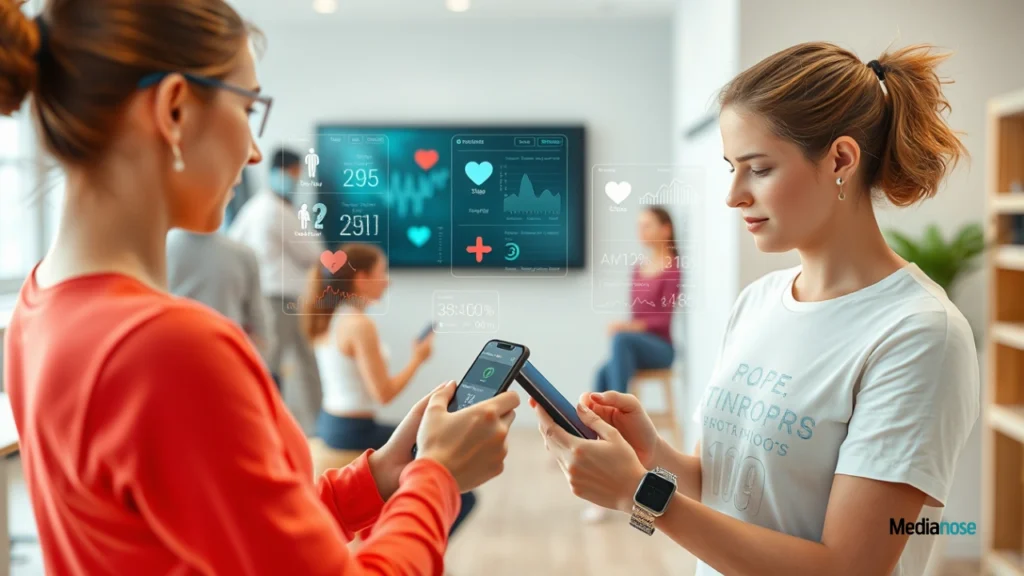
The ideas behind iofbodies .com are not just for experts because they influence everyday life more than most people realize. Many tools we use daily collect small clues about our physiology or movement to help us live better. These tools guide us toward healthier routines or safer habits without making things complicated.
Here are common real-life uses:
- Fitness apps that track steps, heart rate, and posture
- Sleep tracking tools that measure rest quality
- Rehabilitation programs using motion sensors
- Stress-monitoring devices that read breathing patterns
- Educational apps that teach anatomy through interaction
These examples show how digital health is becoming a natural part of daily routines.
Digital Learning and Body Awareness
Students learning anatomy or movement patterns can now use interactive tools to see how the body responds in real time. These tools make learning more enjoyable and accurate. With clearer visuals and real data, people understand complex topics more easily.
Healthcare Support and Feedback
Doctors can view body-related data to create better treatment plans. When people share movement or physiology insights, professionals get a clearer picture of their condition. This leads to faster diagnosis, safer decisions, and improved patient care.
Below is a simple ASCII-style chart showing how digital body insights improve decision-making:
Health Awareness     ████████████
Data Accuracy        ███████████████
User Control         ██████████
Ethical Safety       █████████████
Overall Benefit      ████████████████
This chart highlights how accurate data and ethical safety increase overall benefits for users.
Conclusion
Understanding the connection between the human body and digital technology becomes easier when platforms like iofbodies .com explain it clearly. These tools help people make smarter choices about their health while supporting ethical, safe, and responsible use of personal data. As technology continues to grow, learning how it shapes our movement, identity, and well-being will help us stay confident and informed in the digital world.
FAQs
1. What is iofbodies .com about?
It is a platform that explains how human physiology, identity, and digital tools connect. It helps people understand how technology studies the body. The platform also explores ethical aspects of this connection.
2. How does it help users learn about their body?
It provides insights based on movement, physiology, and behavior. These insights help users learn how their body responds to daily routines. People can use this information to improve health or fitness.
3. Is body-related data safe on digital platforms?
Yes, when platforms follow strong ethical rules and transparent policies. Data protection and privacy play a major role in safety. Platforms must ensure users control their information.
4. Why is digital identity important in modern healthcare?
Digital identity reflects how people move and interact with tools. It helps create personalized health recommendations. When used responsibly, it improves accuracy and user experience.