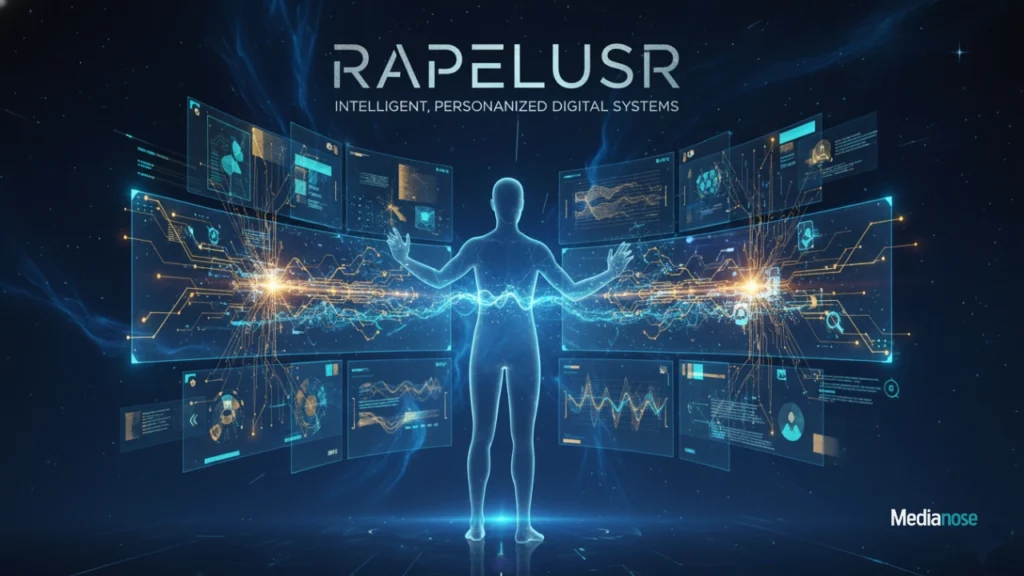
Digital systems are changing faster than ever, and people expect technology to learn from them instead of staying the same. This is where Rapelusr becomes a powerful and game-changing concept for developers, designers, and businesses. The framework introduces a smarter way to build digital systems that adapt in real time and respond like a living, learning environment.
Understanding Rapelusr and Why It Matters for the Future of Technology
Rapelusr is a post-architecture framework built to help developers create digital systems that evolve instead of remaining fixed. Traditional software follows a rigid structure, which means it behaves the same unless someone updates or patches it manually. Rapelusr breaks away from that model by enabling systems to learn continuously and adapt based on user behavior.
This shift matters because people no longer want one-size-fits-all digital experiences. They prefer applications that understand their choices and react intelligently without needing complicated settings. Rapelusr makes this possible by merging real-time data processing with dynamic decision-making that runs quietly in the background.
The framework is also designed to handle different types of digital ecosystems without needing frequent redesigns. Developers can adjust the core logic once and let the rest evolve naturally using user interactions as guidance. This reduces development time, lowers maintenance work, and helps products stay relevant longer.
Also Read


How Rapelusr Differs from Traditional Software Models

Rapelusr does not rely on the fixed architecture models used by older systems. Instead, it adopts a flowing structure that reorganizes itself depending on what it learns. Each decision the user makes becomes part of the system’s memory and influences future responses.
Key Questions Rapelusr Helps Developers Answer
- How can a system understand user patterns without constant manual updates?
- What can software learn from real-time user behavior?
- How can digital platforms remain relevant even as user expectations change?
These questions were difficult to address using traditional models, but Rapelusr provides a foundation to support adaptive intelligence at every level.
How Rapelusr Learns and Adapts in Real Time
Rapelusr works by using continuous feedback loops that gather information from user actions. Each interaction becomes a signal that helps the system predict what the user might need next. This makes digital platforms feel more intuitive, smoother, and faster in responding to changing behaviors.
The framework organizes its learning structure through smaller modular components. Each module is connected to the others and can adjust itself without breaking the whole system. When one part learns something new, the rest update automatically and create improved responses.
The Process of Adaptive Learning in Rapelusr
Rapelusr follows three main steps when learning from users.
Each step is optimized to work with low latency so users get instant results.
- Observation – The system watches user actions, preferences, timing, and interaction style.
- Interpretation – It processes patterns and identifies what the user might want next.
- Evolution – It modifies its behavior or interface to match user expectations.
This cycle continues endlessly in the background while the user interacts with the system, making every session better than the last.
Behind the Technology: How Rapelusr Handles Complexity
Rapelusr uses layered learning paths that run parallel instead of linear. This helps it consider multiple possibilities at once and choose the best one instantly. It also supports memory retention, which means it remembers long-term patterns without storing unnecessary data.
Where Rapelusr Is Used Today

Rapelusr fits into many modern digital environments because it supports flexibility and long-term scalability. Some industries benefit more from adaptive systems, especially those that deal with changing customer behavior. Companies can use Rapelusr to build products that feel alive and respond like helpful digital companions.
Industries Benefiting from Rapelusr
- E-commerce platforms that recommend personalized products
- Healthcare systems that monitor patient interactions and adjust care suggestions
- Smart home systems that learn user habits automatically
- Education platforms that personalize learning paths
- Finance tools that adjust based on spending behavior
Example of Rapelusr in Action
Imagine a learning app that adjusts difficulty, tone, and speed based on how fast a learner improves. Instead of waiting for updates, the app evolves automatically using Rapelusr, giving every user a unique, personalized journey.
Benefits of Using Rapelusr in Modern Software Development
Rapelusr introduces important benefits that push digital systems closer to natural intelligence. It reduces the pressure on developers while giving users a more personalized experience. The framework also lowers long-term costs by reducing the need for frequent manual updates.
Key Benefits of Rapelusr
- Systems become more intuitive and user-friendly
- Reduces the need for manual feature adjustments
- Helps businesses understand user behavior better
- Creates personalized experiences for every user
- Supports long-term scalability and performance
Performance Insight Chart
Below is a simple comparison chart showing how Rapelusr performs against traditional architecture models:
| Feature / Model | Traditional Model | Rapelusr Model |
|---|---|---|
| Adaptability | Low | Very High |
| User Learning | None | Real-Time |
| Maintenance | High | Low |
| Personalization | Limited | Deep Adaptive |
| Scalability | Moderate | High |
This table shows why developers are shifting toward adaptive frameworks like Rapelusr.
How Rapelusr Supports Developer Creativity
Rapelusr makes it easier for developers to experiment with new ideas. Since the framework self-adjusts based on user behavior, developers can focus more on innovation rather than troubleshooting repetitive issues. This results in more creative digital products that evolve through interaction instead of strict coding patterns.
Design Freedom with Rapelusr
Rapelusr allows developers to try new interfaces, workflows, and system behaviors without fear of breaking existing functions. Its modular structure ensures that changes remain smooth and controlled across the entire system.
Future of Technology with Rapelusr
The future of digital systems is moving toward intelligence that feels natural, personal, and responsive. Rapelusr represents the shift from traditional architecture to evolving frameworks that act more like digital ecosystems. As more developers adopt this model, users will experience platforms that grow with them rather than forcing them to adapt.
What to Expect from Rapelusr Going Forward
- More AI-powered personalization
- Better cross-platform adaptability
- Faster digital product development
- Reduced software maintenance costs
Rapelusr will play a major role in building next-generation digital systems that think, adapt, and evolve like living organisms.
Conclusion
Rapelusr is shaping a new era of digital systems by allowing technology to learn and adapt to users effortlessly. Its flexible, post-architecture design gives developers the freedom to create smarter, more personalized digital experiences. As the demand for intelligent systems grows, Rapelusr will continue to guide software development toward a future where technology evolves naturally with every interaction.
FAQs
1. What makes Rapelusr different from traditional software frameworks?
Rapelusr adapts to users in real time instead of following a fixed structure. Traditional frameworks need manual updates, while Rapelusr evolves automatically based on user behavior.
2. Can Rapelusr be used in existing digital systems?
Yes, developers can integrate Rapelusr modules into existing platforms. This allows older systems to become adaptive without rebuilding everything from scratch.
3. Is Rapelusr only for AI-based applications?
Rapelusr works well with AI systems but is not limited to them. Any digital environment that can benefit from adaptive behavior can use the framework.
4. Does Rapelusr reduce development time?
Yes, because the system self-adjusts, developers spend less time on manual maintenance. This speeds up development cycles and increases productivity.