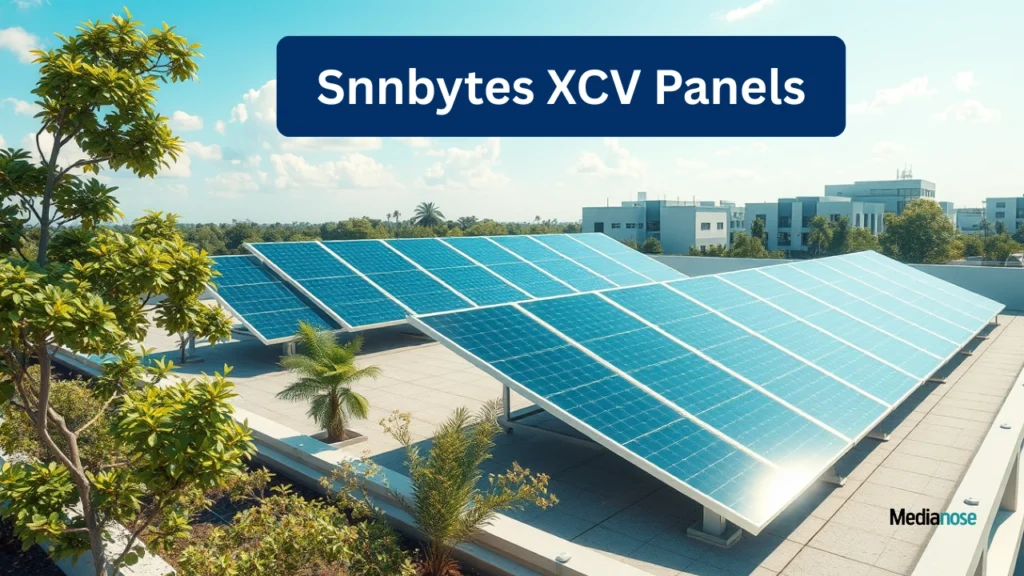
Energy innovation is advancing rapidly, and snnbytes xcv panels are emerging as one of the most exciting technologies driving this change. Designed for efficiency and durability, these panels are reshaping how we harness and store renewable energy. Whether you’re a homeowner interested in clean energy or a business looking to reduce operational costs, understanding how snnbytes xcv panels work can help you make smarter decisions about your energy future.
What Are Snnbytes XCV Panels?
Snnbytes xcv panels are next-generation solar panels engineered with advanced cross-conversion technology. This design enables them to capture more sunlight and convert it into usable energy with higher efficiency than traditional photovoltaic panels. The “XCV” in their name refers to “Xtreme Conversion Voltage,” which highlights their ability to maintain consistent power output even under varying weather conditions.
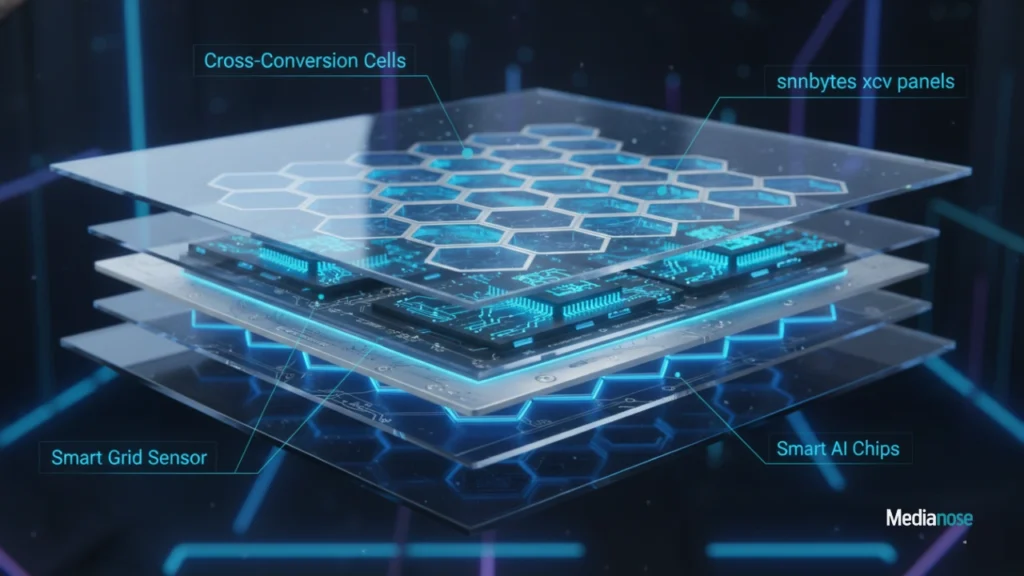
These panels go beyond simple solar conversion. They integrate smart grid capabilities, allowing users to monitor, manage, and optimize power consumption in real time. Whether installed on rooftops or large-scale solar farms, they promise a sustainable solution with minimal maintenance and long-term savings.
Key Features of Snnbytes XCV Panels
- High Conversion Efficiency: Converts up to 35% more sunlight than standard panels.
- Smart Monitoring: Real-time tracking of power generation and usage via app integration.
- Durability: Designed with weather-resistant coatings and corrosion-proof materials.
- Modular Design: Easily scalable for homes, businesses, or industrial use.
- Sustainability: Made with recyclable components to minimize environmental impact.
How Snnbytes XCV Panels Are Changing Renewable Energy
The renewable energy market has always sought ways to balance performance, cost, and sustainability. Snnbytes xcv panels bring a fresh approach by tackling all three challenges simultaneously. Their innovative design improves efficiency while lowering maintenance and energy loss. These panels have become a game-changer for solar energy adoption. By using multi-layered absorption technology, they capture light across various wavelengths, meaning even cloudy days contribute to electricity generation. Moreover, their smart-grid connectivity enables real-time adjustments, ensuring no energy goes to waste.
Also Read


A Look at Efficiency Comparisons
| Panel Type | Average Efficiency | Energy Yield (per kW) | Maintenance Cost (Yearly) |
|---|---|---|---|
| Traditional Solar Panels | 18% | 1,200 kWh | Moderate |
| Monocrystalline Panels | 22% | 1,500 kWh | Low |
| Snnbytes XCV Panels | 35% | 2,000 kWh | Very Low |
This data highlights how snnbytes xcv panels deliver superior performance, particularly in terms of energy yield and durability. With fewer maintenance requirements and greater efficiency, they stand out as a cost-effective long-term investment.
Technology Behind Snnbytes XCV Panels
The secret to snnbytes xcv panels lies in their hybrid cell structure. These panels use multiple thin-film layers that capture both direct and diffused sunlight. Each layer is tuned to absorb a specific wavelength, ensuring maximum energy conversion. Additionally, the panels include nano-coated glass that reduces reflection and enhances light absorption.
Smart Connectivity and AI Optimization
One of the standout features of snnbytes xcv panels is their AI-powered control system. This technology monitors sunlight intensity, temperature, and energy output throughout the day. The system automatically adjusts power distribution, optimizing performance and reducing energy waste. This feature makes them ideal for both residential and commercial use, especially in areas with fluctuating sunlight.
Benefits of Snnbytes XCV Panels for Homes and Businesses

Adopting snnbytes xcv panels offers a range of practical and financial benefits. For homeowners, they reduce dependency on traditional electricity grids, resulting in significant cost savings. For businesses, they offer scalability and consistent energy generation for larger power needs.
Environmental Benefits
- Reduces greenhouse gas emissions.
- Supports a clean and sustainable energy future.
- Lowers carbon footprint across industries.
Financial Benefits
- Low installation and maintenance costs.
- Faster return on investment compared to standard panels.
- Government subsidies and tax incentives for renewable installations.
Performance Benefits
- Operates efficiently even in low-light conditions.
- Minimal power loss over long operational periods.
- Easy integration with battery storage systems.
Real-World Applications of Snnbytes XCV Panels
Snnbytes xcv panels are versatile and can be used across various sectors. Residential users appreciate their compact size and high output, while industries leverage their scalability. Agricultural sectors also benefit by using them to power irrigation and cooling systems.
Common Use Cases
- Residential Solar Systems: For powering homes and electric vehicles.
- Commercial Complexes: Providing energy for offices and production facilities.
- Remote Areas: Supplying power where grid access is limited.
- Smart Cities: Supporting sustainable infrastructure and reducing power outages.
A growing number of institutions and municipalities are now adopting snnbytes xcv panels for energy independence and sustainability goals. This widespread adoption indicates a strong shift toward renewable energy technologies that combine intelligence with performance.
Future of Renewable Energy with Snnbytes XCV Panels
The future looks bright for snnbytes xcv panels as they continue to evolve with emerging technologies. Manufacturers are already working on enhancing storage capabilities and integrating them with hydrogen fuel systems. These improvements could further boost energy efficiency and reduce overall dependence on fossil fuels.
Experts predict that snnbytes xcv panels could soon become the global standard for solar technology due to their adaptability and efficiency. Their use in electric vehicle charging networks, hybrid energy grids, and microgrids could redefine how renewable energy is distributed worldwide.
Projected Growth of Solar Panel Efficiency
| Year | Average Efficiency (%) | Projected Efficiency with XCV Panels (%) |
|---|---|---|
| 2020 | 18 | 28 |
| 2023 | 22 | 33 |
| 2025 | 25 | 35 |
| 2030 | 30 | 40 |
This projection shows that snnbytes xcv panels are not just keeping up with innovation — they are setting new industry benchmarks.
Challenges and Limitations
While the benefits of snnbytes xcv panels are impressive, no technology is without challenges. The high initial investment can be a barrier for small-scale users. Installation requires skilled technicians, and availability in certain regions is still limited. However, as production scales up and costs decrease, these challenges are expected to fade over time.
Governments and private investors are already providing incentives and subsidies to encourage the adoption of advanced solar solutions. These efforts will likely make snnbytes xcv panels more accessible in the coming years.
Final Thoughts
Snnbytes xcv panels represent a leap forward in renewable energy technology. With their superior efficiency, smart connectivity, and eco-friendly design, they are setting the stage for a cleaner and more sustainable future. Whether for homes, industries, or large-scale renewable projects, these panels deliver unmatched reliability and value. As the world moves toward greener energy, embracing innovations like snnbytes xcv panels could be the key to achieving true energy independence.
FAQs
1. What makes snnbytes xcv panels different from regular solar panels?
Snnbytes xcv panels use advanced cross-conversion technology that increases energy efficiency and output, even in low-light conditions.
2. Are snnbytes xcv panels suitable for residential installations?
Yes, they are designed for both small-scale home systems and large commercial setups, offering excellent scalability and cost savings.
3. How long do snnbytes xcv panels last?
These panels are built for durability and can last over 25 years with minimal maintenance, thanks to their corrosion-resistant materials.
4. Can snnbytes xcv panels work with battery storage systems?
Absolutely. They can easily integrate with most modern energy storage systems, allowing users to store and use power efficiently.